

0–15 min
Facts on one page
What is known, what is not known and what is being checked. Nothing goes out on a rumour, and nothing goes out until one person owns the page.
Crisis & Risk Communications
We advise leaders and communications teams on how to respond to a fast-moving situation with speed, accuracy and empathy—before the pressure is on, while it is, and after the moment has passed.
Where we sit
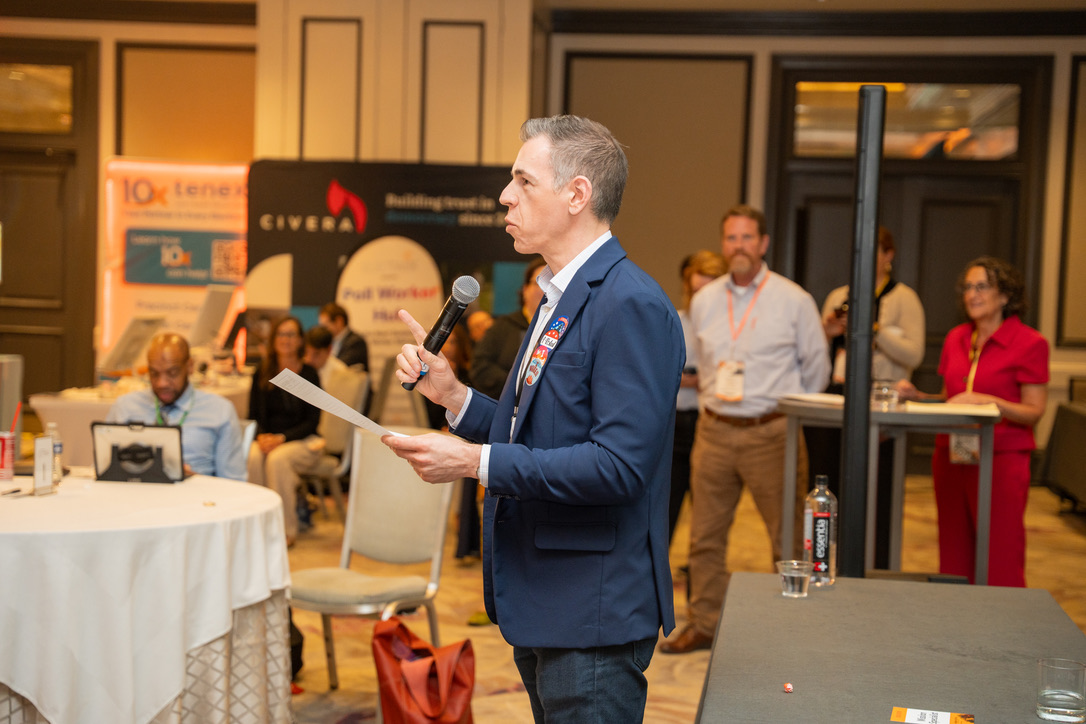
MAX is not a traditional PR firm. We do not stand at the podium for your organization or take your voice away from you. We sit beside the leader who has to answer—to decide what is true and sayable right now, and to keep one coherent story moving across every channel while the news cycle runs.
We are the wizard behind the curtain: advisors to your leaders, not your public spokesperson.
The first hour
Most response failures are not bad writing. They are a decision that never got made. Here is the sequence we run when a situation is live.
0–15 min
What is known, what is not known and what is being checked. Nothing goes out on a rumour, and nothing goes out until one person owns the page.
15–45 min
Employees and affected people before the press. Then the board, regulators, partners and families. The order matters more than the wording.
45–90 min
What you know, what you are doing about it and when you will next update. Then the internal message, so your own people do not learn about their organization from a reporter.
Hours 2–24
Website, social, internal email, customer-facing teams and the regulator all say the same thing. Nobody freelances, and nobody answers a question the statement has not already covered.
Day 2 and on
The update you committed to is the one that decides whether trust holds. Beat your own deadline, even if the update is that you still do not have answers.
What we build
Every engagement produces something you can hand to the next person in the room—not just advice that lives in a meeting.
Who decides, who speaks, who drafts, who approves—and what is pre-cleared so the first statement takes minutes, not a committee.
Built in 2–3 weeks with your leadership
Templates for the situations most likely to hit your organization, written so they can be updated in place without starting from a blank page.
Six scenarios drafted and rehearsed
The real decision-makers in one room with a scenario that has incomplete facts. We run it, score it against your playbook and show you where it breaks.
90 minutes to 3 hours
The person who will actually face the camera, the board or the town hall—rehearsed on the questions they dread, not the ones they expect.
On camera or in the room
What worked, what did not and what changes in the plan. Written for the people who have to live with it, not for the file.
Written report with owners and dates
Ongoing access to a senior adviser for the weeks between events—when plans either get maintained or quietly go stale.
Monthly retainer or project basis
Proof
Furman University · 2026
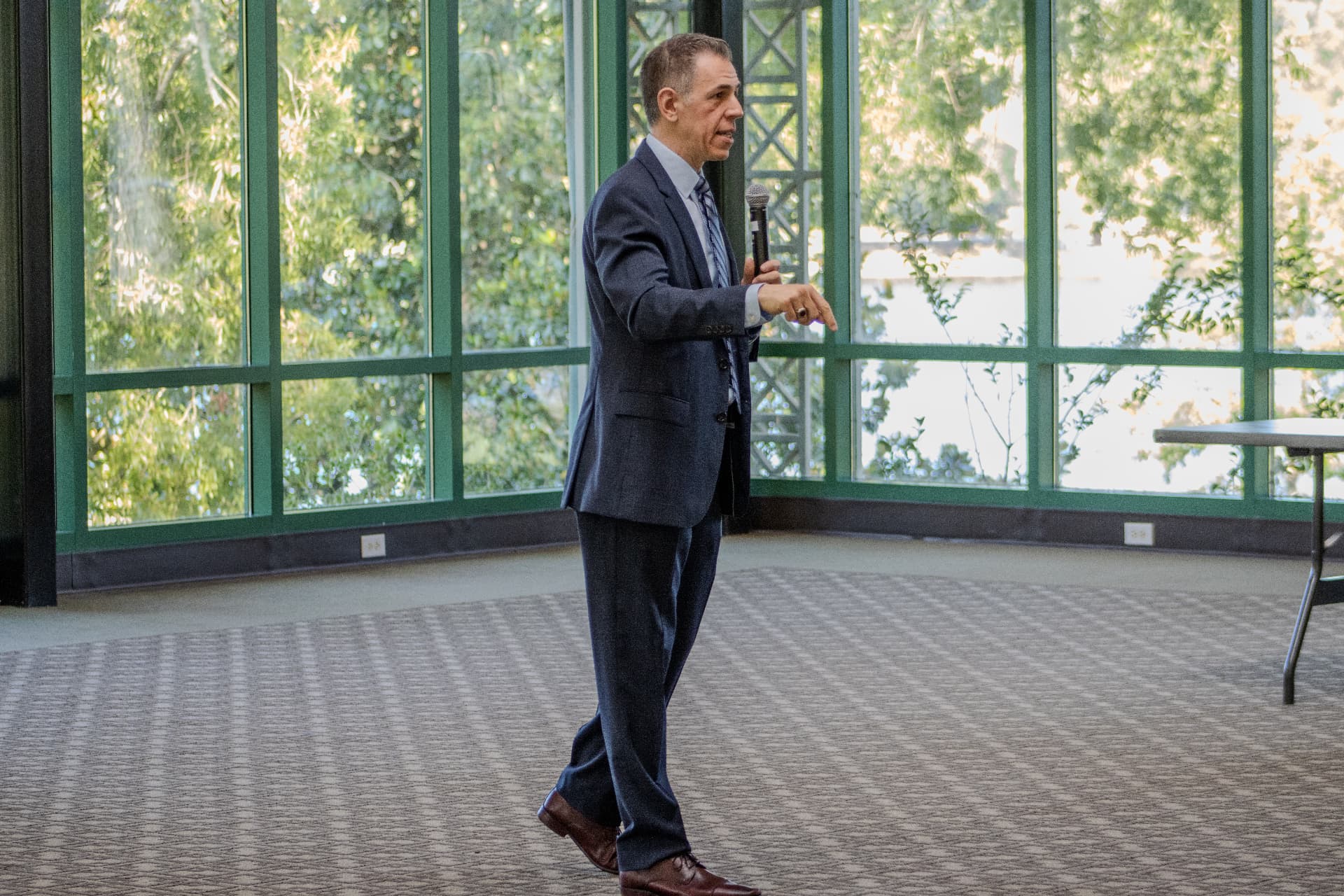
A tailored crisis communications training and tabletop exercise equipped university leaders and campus police to respond with speed, accuracy, empathy and control.
U.S. Marine Corps · 2025
“For the Marines’ 250th birthday, MAX translated military history and tradition into targeted, human stories that traveled across national and local media”
Government and public-agency work also includes the Pentagon Force Protection Agency and the Virginia Military Institute. See the full record on our results page.
Questions leaders ask us
At least once a year, and immediately after any real event or leadership change. If the plan still names a spokesperson who has left or a phone number that no longer rings, it is not a plan—it is a liability waiting to be discovered on the worst day.
Four things above all: who decides, who speaks, who drafts and approves, and what triggers escalation to outside counsel. Contact trees, pre-cleared templates, the rules for social media and the employee-first sequencing come after those.
Legal and technical timelines take over, and the message has to address the person whose data is gone—not the company's side of the story. Notification obligations and the technical facts drive the calendar, so communications planning starts the same day.
No. It reads as an admission and hands the framing to whoever asked. Say what you can, say what you are doing, and say when you will say more—then keep that time.
Before. The worst moment to choose an adviser is while the event is running, because you end up interviewing people who are already in the building. Preparation is the service.
Looking for the planning document itself? Our crisis communication plan page covers what belongs in one, how often to review it and how to test it, and our crisis communication training page covers how we rehearse it with your team.
Next step