Most crisis plans fail for the same reason: they were written for a filing cabinet, not for the person who gets the call at six in the morning. A good plan answers four questions before anyone starts writing.
Start here
A plan is a decision document.
Not a document about decisions. If your plan opens with background and context, it will not be read when it matters. It should open with names, roles and the order things happen in—and it should fit in someone's pocket.
01
Who decides
One named person, with one named backup, who can authorize a statement without a meeting. Not a committee.
02
Who speaks
The face for each audience, and who is never on the record. If the answer is “whoever is available,” there is no plan.
03
Who drafts and approves
Who writes the first version in ten minutes, who has legal sight of it, and how long that loop takes. Speed lives or dies here.
04
What triggers escalation
The line where you call outside counsel. Write it down now, because it is impossible to judge objectively on the day.
The checklist
What belongs in the plan.
Nothing here is decoration. If an item is missing, the gap shows up during the event—usually as a delay.
Names, roles and mobile numbers of the response team—and the date it was last confirmed
The spokesperson for each audience, and who is explicitly off the record
A holding statement you can send in fifteen minutes, with blanks already marked
Employee-first messaging, so staff never learn about their own organization from the news
The stakeholder call order: board, regulator, partners, families, then media
Social media rules—who posts, who pauses scheduled content, who monitors
A single approved source of truth, and one place the running facts live
Pre-cleared language for the six scenarios most likely to happen to you
The internal channel for rumors, so speculation is answered in one voice
What gets said when you genuinely do not know yet—and how to say it without “no comment”
The update commitment: what time you will next speak, even if the update is “still checking”
After-action review owner and deadline, agreed before the event ends
01
How often to review it
Once a year as a floor, and immediately after any real event, leadership change, acquisition, or anything that changes who is in the building or how you are regulated. A plan older than the people named in it is worse than no plan, because it creates a false sense of readiness.
Annual review, scheduled, with an owner
After every real incident, however small
After any leadership or spokesperson change
Whenever a contact, system or regulator changes
02
The one-change test
Pick one fact and change it: the spokesperson resigns, the incident moves to a second state, a regulator calls before you call them. If your plan cannot absorb one change without a meeting, it will not hold. Run this test in twenty minutes with whoever is in the room.
Change the spokesperson
Change the location
Add a second audience
Bring the regulator forward
03
How to test it properly
A tabletop, ninety minutes, no slides and no audience. Give the decision-makers a scenario with missing facts and a clock. We run it, stay quiet when the room goes quiet—because that silence is the finding—and score what happened against the written plan.
Real decision-makers, not their delegates
Incomplete facts on purpose
A live clock and a deadline
A written score against the plan
04
What good looks like afterwards
A short report: what held, what broke, what to change and who owns each fix by a date. Ten pages beats fifty. If nobody can recite the three things that changed, the exercise did not land.
Findings in plain language
Named owners
Due dates
A re-test date
What we deliver
Plan, rehearsal, report.
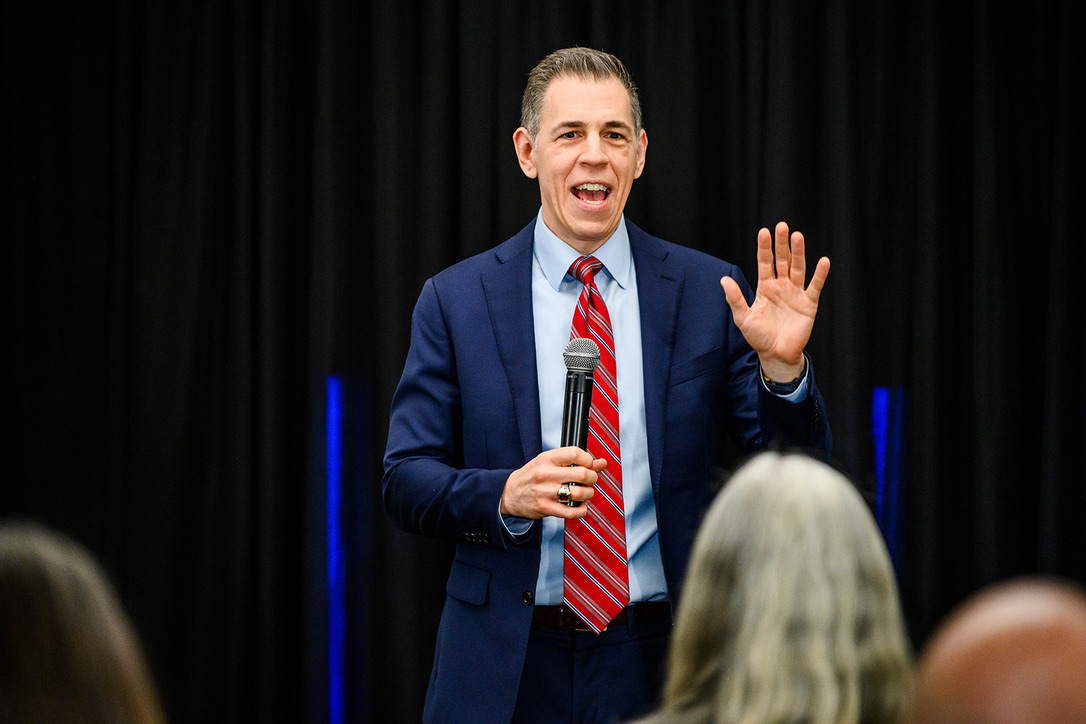
At Furman University, a tailored crisis communications training and tabletop exercise put university leaders and campus police in the same room with a scenario that had incomplete facts—and a clock on it.